In-clinic diagnostic imaging
Diagnostic Ultrasound Scanning
Most people with a stubborn injury have never actually seen what is wrong. They have been told it is probably a strain, likely some wear and tear, maybe a small tear. Probably, likely and maybe are not a diagnosis, and they are not a plan. They are the reason so many injuries drag on for months: the treatment is aimed at a guess. Diagnostic ultrasound takes the guesswork out. It lets us look inside the injury, in the clinic, on the same visit, and see what is actually going on.
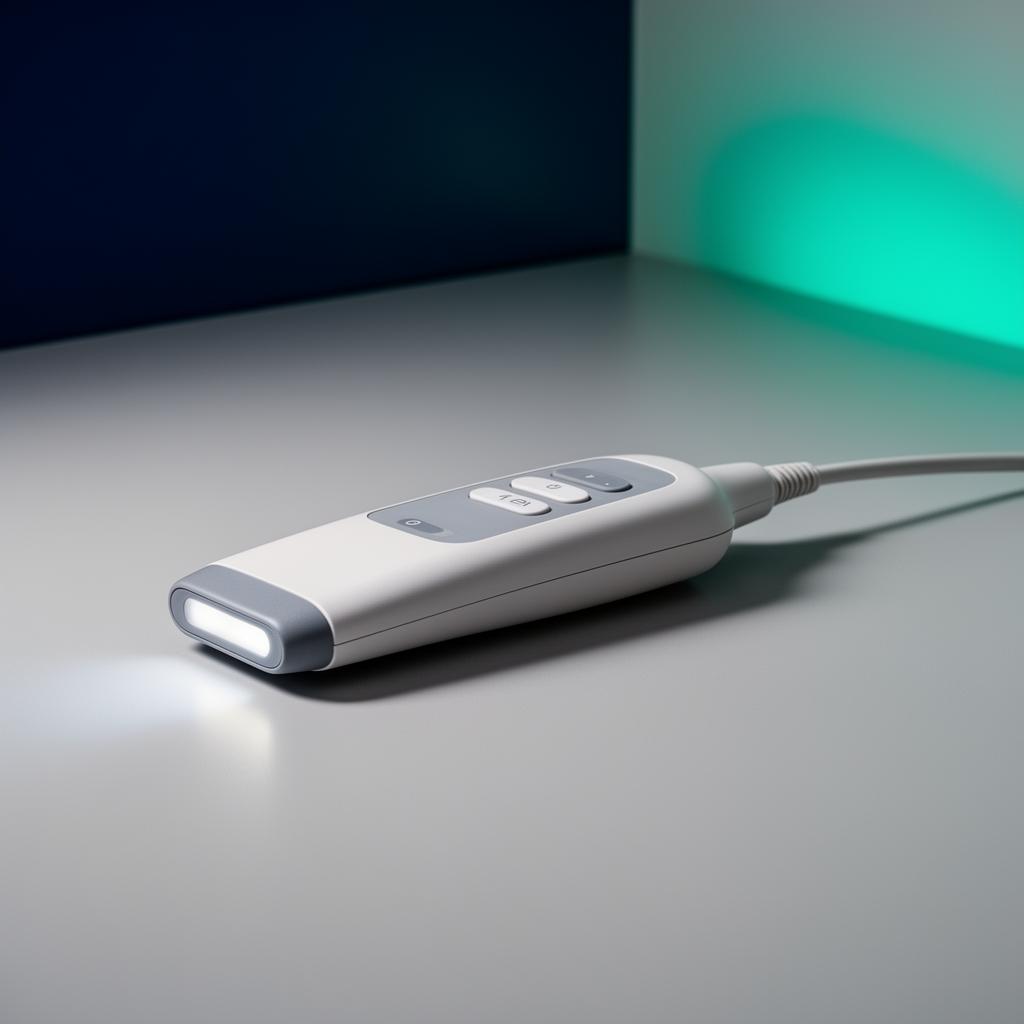
What diagnostic ultrasound is
Diagnostic ultrasound, also called musculoskeletal ultrasound, uses high-frequency sound waves to produce a live, moving image of the soft tissues just beneath the skin. Unlike an X-ray, which shows bone, ultrasound is built for the tissues that cause most pain: tendons, muscles, ligaments, bursae and the fluid around them. There is no radiation, no injection, and no waiting weeks for a scan appointment somewhere else.
What we can see
On the screen, in real time, we can see whether a tendon is thickened or torn, whether a muscle has a true strain, whether there is inflammation or fluid where there should not be, and how a structure behaves when you actually move. That last point matters. Many problems only show up under load, so we can scan the area while you move it, something a still image simply cannot capture.
Why it changes your treatment
When we can see the problem, we can treat the cause instead of chasing the symptom. The scan tells us how severe the injury is, what stage of healing it is at, and what it will and will not tolerate. That shapes everything: how hard we load it, which hands-on treatment is appropriate, how your rehab is built, and a realistic timeline for recovery. It also flags early if something needs onward referral, so you are not spending months on the wrong approach.
What to expect
A scan takes place during your assessment. We apply a little gel, move the probe over the area, and talk you through what we are seeing on the screen as we go. It is painless, takes a few minutes, and you leave understanding your own injury rather than holding a label you do not understand.
Conditions we use it for
We use diagnostic ultrasound across the injuries we treat most, including shoulder and rotator cuff problems, foot and ankle pain, and sports injuries of muscle and tendon.
If you are tired of being told probably
Book an assessment. We will scan it, show you what is actually happening, and build the plan around what we find.